More dairy farmers are DNA testing their herds than ever before, with CRV recording a 57% increase in genomic testing sample numbers.
CRV myDNA programme manager Connie McFarlane says the growth reflects a shift in farmer confidence, particularly in using genomic breeding values to make breeding decisions.
The increase in myDNA testing from the 2024 to 2025 calendar year was 57%, with a 38% increase from the 2024/25 season to 2025/26.
“There was a bit of hesitancy from farmers at first using genomics, but as technology has improved along with the addition of animals to our reference population improving accuracy, farmers can be very confident in using genomics.”
Accurate parentage remains the entry point to DNA testing for most farmers, Connie says.
Around 25% of calves are mismothered on average, meaning one in four is recorded incorrectly. myDNA helps farmers instantly identify the right animals which is key to keeping and breeding from the best animals in the herd.
Genomics elevates genetic reliability
Now, real momentum is building as farmers go beyond parentage to using the genomic information to rank their herd and make more selective breeding decisions.
A calf's parent average index, such as BW or NZMI, typically carries a reliability of 30-35%. DNA testing lifts that reliability to 60-65%.
The myDNA test result provides a similar amount of information as five herd tests, Connie says.
The beauty of using myDNA and genomic information is this information is available when the calf is just days old rather than two to three years into milking.
“You're getting the information a lot earlier, so you're not spending time and money rearing that calf until it's milking and then deciding to cull or sell it.”
She estimates around 40% of myDNA farmers now actively use the genomic data as part of their breeding programme, particularly those using sexed or beef semen, who want confidence in which animals to mate to which straws.
Many more farmers are getting the benefit of genomics data behind the scenes, as genomic breeding values flow directly into myHERD and automatically update parent averages.
CRV's new HerdOptimizer reports take this further, showing farmers how their herd is tracking year-on-year and where the gaps are, such as udder traits or teat length.
“The value you get from genomic information comes down to your selection intensity. The harder you select, whether that's top cows to sexed semen or beef over your bottom cows, this is how you get the best bang for buck.”
myDNA lifting production on farm
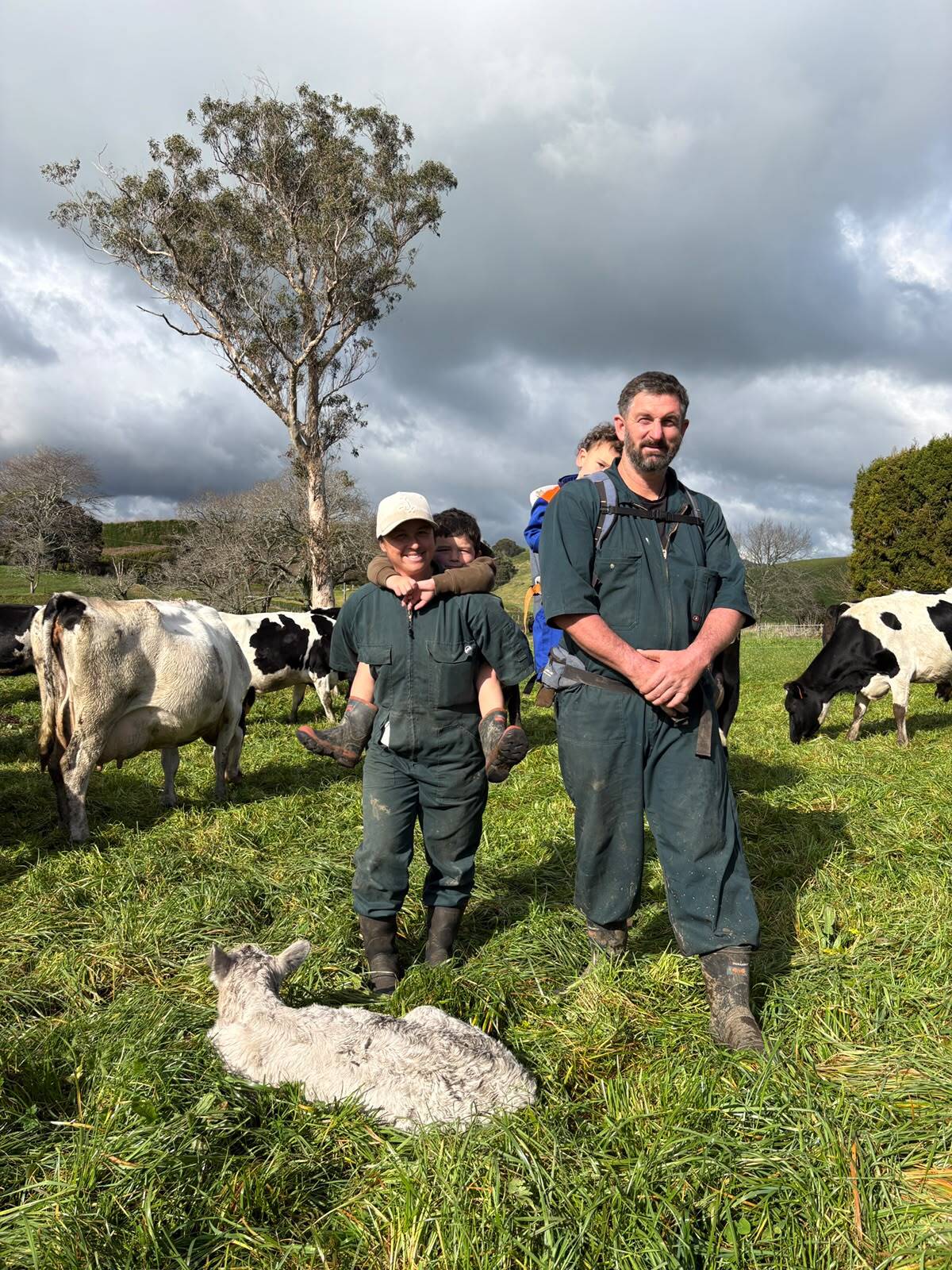
The results from DNA testing for farmers can be significant. Opotiki sharemilker Mike Ward milks 400 cows and has managed to increase production from 110,000kgMS to 145,000kgMS through a combination of better breeding and feed management.
“When we bought the herd it was a bit of a mess. The records were absolutely terrible so we decided to start DNA testing to be on the best foot going forward,” he says.
“Having the myDNA information about what each cow is capable of putting in the vat is invaluable.
“We’ve been able to select the cows to breed replacements from, which ones to cull and which ones to put to beef semen. It’s also given me the confidence this year to put sexed semen through our top heifers and cows.”
As a sharemilker, Mike does all his own artificial insemination for his herd. Being able to accurately select which cows he is breeding replacements from versus which cows he wants to put beef straws through is highly rewarding.
For Mike and his farm owners, it’s also a pathway to having less non-replacement calves.
Mike has been myDNA testing since 2019, and because of his increased reliability he has been able to make significant gains in a few years.
His NZMI has increased from 74 to 154 and he is expected to get the same gain in NZMI with this year’s calves.
CRV Sales Consultant Pauline Isaac says the reliability of Mike’s genetics has drastically increased from myDNA testing and he is now able to breed for a specific animal.
“He has increased his herd’s capacity, udder support significantly, increased fertility and production, milk fat and protein. Now he can confidently use really targeted sexed semen because his reliability is so strong.”
CRV’s ROI Calculator shows value in DNA testing
CRV has a new return-on-investment calculator which farmers can go through with their CRV sales consultant to quantify how investing in myDNA could improve the value of their herd and boost returns.
Connie says perceived cost remains the biggest barrier to uptake of DNA testing. CRV has responded with competitive whole-herd rates giving farmers the option to spread payment across 12 or 18 months. CRV has also worked with industry partners to help educate farmers to see the real value of genomic breeding.
As the reference population grows, reliability of genomic breeding values will keep climbing over 70%, like that which is seen overseas, Connie says.
The industry's move to OneBW expected early next year will also allow CRV to publish genomic BW for the first time, which will give New Zealand dairy farmers even greater insight into their herd genetics and more accurately compare animals between herds.