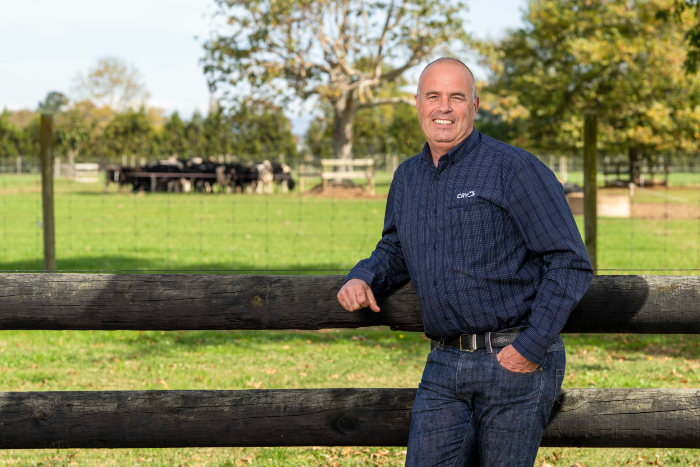
CRV is seeing more dairy farmers use data to guide breeding decisions, with strong growth in myDNA genomic testing and herd testing, alongside increased use of artificial breeding.
The latest New Zealand Dairy Statistics, published by DairyNZ and LIC, show a similar trend nationally, with 83.3% of cows were herd tested and 84.8% were mated through artificial breeding in 2025/26.
James says that level of participation gives farmers a strong foundation for making informed breeding decisions.
“A useful starting point is understanding what separates the best-performing mature cows from the poorer performers within the same herd,” he says.
“Do you understand the genetics that are working on your farm? What is the genetic makeup of the top 10% of your herd? Those are the cows performing well in your conditions.
“Compare your top 10% of mature cows with your bottom 10%. That will help show you which traits are working for you and what you should be selecting for.”
James says Breeding Worth is still an important guide at a national level, but farmers also need to understand which traits help cows perform well in their own farm system.
“BW is still important. But some traits will have a greater influence on performance on one farm than another. Understanding those differences helps you identify the cows that work for you.”
Being more selective about breeding replacements does not necessarily mean immediately culling poorer-performing cows.
“Farmers aren’t necessarily removing those cows straight away, but they are increasingly choosing not to breed replacements from them, so those less desirable traits aren’t passed on to the next generation,” says James.
“That matters for the long term, particularly when a high milk price creates an incentive to keep more cows in milk.”
He says more farmers investing in herd testing, DNA testing and wearables help build a clearer picture of each animal.
“It’s about putting that information to work, understanding which cows do well on your farm and breeding more like them.”
James says that as farmers collect more information about their animals, consistent comparisons of genetic merit are critical to getting the full value from it.
The joint OneBW project involving DairyNZ, LIC and CRV aims to provide a common, genomically informed Breeding Worth index.
“Genetic gain is part of our industry’s productivity story, and we’ve got the ability to keep building on that,” says James. “But to make the most of that information, farmers need to be able to compare animals on a consistent basis. That’s why progressing OneBW is so important.”